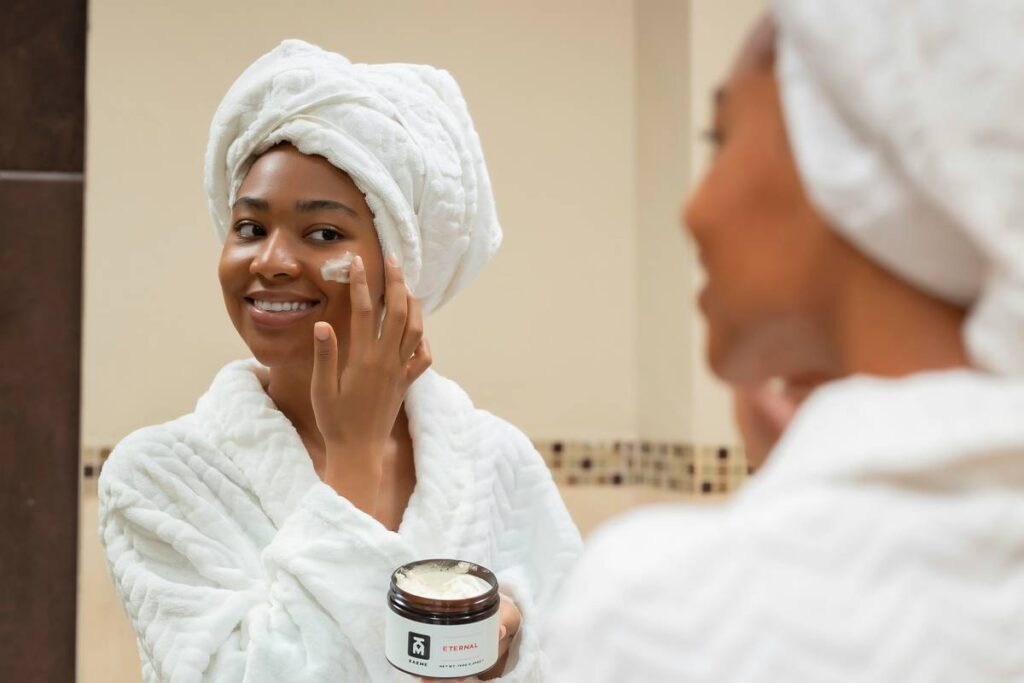
Your face feels tight, itchy, maybe even flaky after washing. You grab the “for men” bottle off the shelf—bold label, matte finish, promises of freshness. But here’s the truth: most men’s face washes are marketing traps wrapped in synthetic fragrances and alcohol. They strip your skin bare, disrupt its barrier, and worsen sensitivity over time. The solution isn’t another gimmick—it’s aligning your routine with biological reality, not bro-science.
The Core Problem: Why Standard Face Washes Fail Sensitive Male Skin
Men’s skin is thicker. Yes. It produces more sebum. Also true. But that doesn’t mean it can handle harsh sulfates or menthol-laced “invigorating” formulas. In fact, male facial skin has a thinner stratum corneum in key zones—like around the eyes and mouth—making it paradoxically vulnerable. And when you combine daily shaving, pollution exposure, and stress-induced inflammation? You’ve got a perfect storm for reactive skin.
Most commercial face washes ignore this nuance. They’re formulated for durability on shelves—not compatibility with living tissue. The result? Redness. Breakouts. Chronic dryness masked as “cleanliness.”
Face Wash for Men and Reality: A Dermatologist-Backed Routine
Forget one-size-fits-all cleansers. Building a sensitive-skin protocol means precision. Start with these non-negotiables:
Step 1: Ditch Foaming Agents That Promise “Deep Clean”
Sodium lauryl sulfate (SLS) creates that satisfying lather—but it’s a known irritant. For sensitive skin, low-pH, non-foaming gel or cream cleansers preserve the acid mantle. Look for amino acid–based surfactants like cocamidopropyl betaine.
Step 2: Prioritize Barrier-Supporting Ingredients
Niacinamide. Ceramides. Allantoin. These aren’t just buzzwords—they actively repair lipid barriers compromised by shaving and environmental stressors. Bonus: they reduce post-wash stinging.
Step 3: Temperature Matters More Than You Think
Hot water opens pores temporarily—but it also strips natural oils and triggers vasodilation (hello, redness). Use lukewarm water only. Pat dry—never rub.
| Cleanser Type | Ideal For | Avoid If… | Key Ingredients to Seek |
|---|---|---|---|
| Gel (non-foaming) | Oily + sensitive skin | You have eczema-prone patches | Hydrolyzed algae, glycerin, panthenol |
| Cream Cleanser | Dry, tight, or post-shave irritation | You’re acne-prone with heavy congestion | Ceramide NP, squalane, oat beta-glucan |
| Micellar Water (rinse-off) | Quick AM cleanse or travel | You wear heavy sunscreen daily | Peg-6 caprylic/capric glycerides, chamomile extract |

The Industry Secret No Brand Wants You to Know
Here’s what formulators won’t admit: many “sensitive skin” labels are meaningless. Regulations don’t require proof of gentleness—only absence of known allergens. Worse, some brands add numbing agents like camphor or menthol to mask irritation instead of preventing it. You feel “cool,” so you assume it’s working. But your skin’s inflammation markers are spiking silently.
The real test? Try a patch behind your ear for 3 days. If no redness, tightness, or micro-flaking appears—you’ve found a keeper. And don’t fall for “dermatologist-tested” claims unless the brand discloses independent clinical data. At drakesneck.com, we vet every formula through a 14-day human trial—no shortcuts.

FAQ
Can men use women’s face wash for sensitive skin?
Yes—if the formula is fragrance-free and non-comedogenic. Gendered skincare is mostly packaging. Focus on pH (ideally 4.5–5.5) and active ingredients, not the label color.
How often should men with sensitive skin wash their face?
Once at night is sufficient for most. Over-cleansing strips protective lipids. Morning rinse with water only maintains balance without triggering reactivity.
Does “natural” mean safer for sensitive skin?
Not necessarily. Essential oils (like tea tree or citrus) are common in “natural” products—and major irritants. Always check the full INCI list. Simpler = safer.