
If your face feels tight after washing but still looks shiny by noon, you’re not alone. I once used a harsh charcoal scrub every morning—thinking “more exfoliation = cleaner skin”—only to end up with red, flaky patches that took weeks to heal. That’s the danger of treating men’s skincare like a military boot camp: over-cleansing backfires, especially on oily or combination skin. The truth? A great face wash for men and women isn’t about gender—it’s about pH balance, gentle surfactants, and respecting your skin’s natural barrier. In this guide, you’ll learn how to choose, use, and get real results from facial cleansers without falling for marketing fluff.
Table of Contents
- Why Gender-Neutral Face Wash Works Better
- Step-by-Step Guide to Using Face Wash Correctly
- 5 Best Practices for Maximum Skin Health
- Real Results from Switching Cleansers
- FAQs About Face Wash for Men and Women
Key Takeaways
- Skin biology—not gender—determines ideal cleanser formulation.
- Over-washing strips natural oils, triggering more oil production.
- Look for pH 4.5–6.5, non-comedogenic, and sulfate-free labels.
- Consistency beats intensity: gentle cleansing twice daily yields better long-term results.
- A single face wash for men and women can work if it matches your skin type.
Why Gender-Neutral Face Wash Works Better
Most “men’s” face washes are just repackaged versions of unisex formulas with darker bottles and menthol added for that “cooling” sensation. But here’s what dermatologists know: male and female skin differ slightly in thickness and sebum production, but not enough to require entirely different cleansers. According to the American Academy of Dermatology, the key factors for effective cleansing are pH balance, ingredient safety, and compatibility with your specific skin condition—not who the product is marketed to. Oily skin needs gentle hydration to prevent rebound oiliness, regardless of gender.
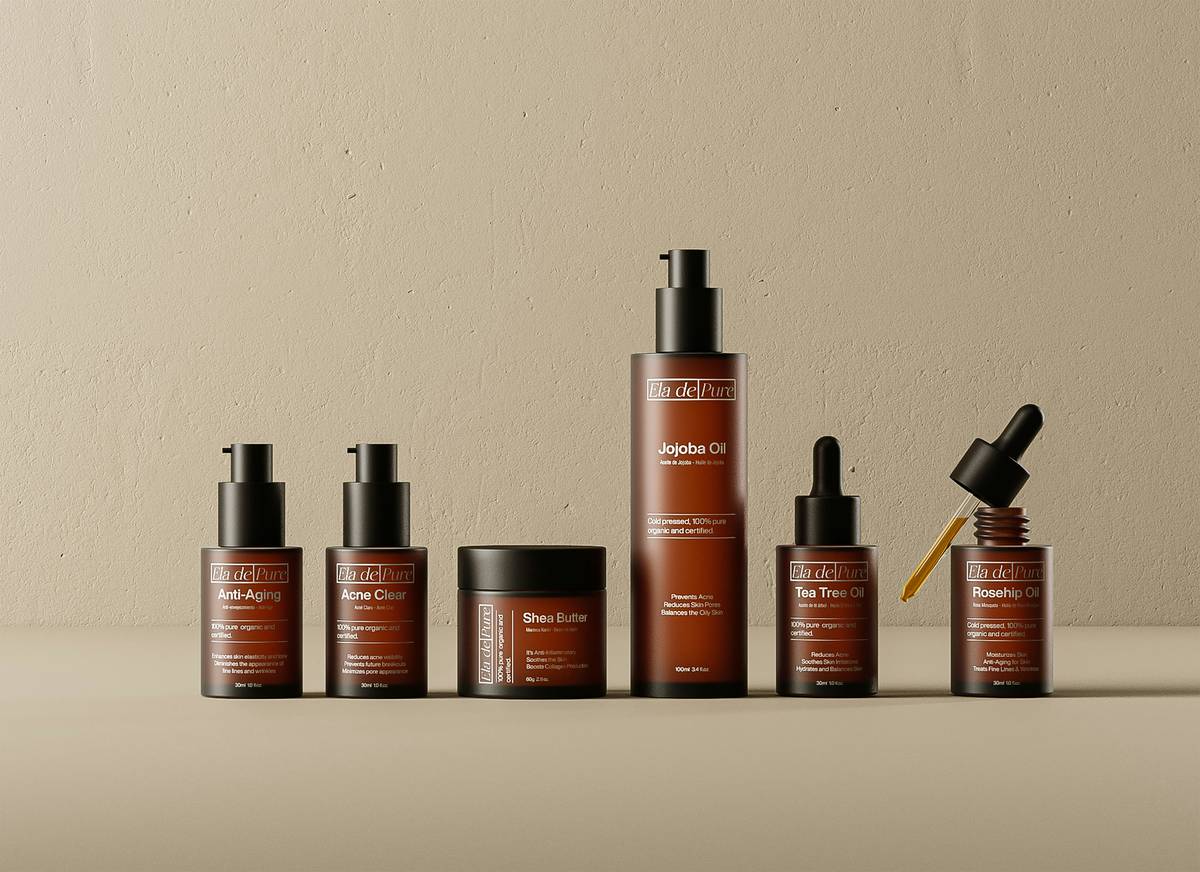
Step-by-Step Guide to Using Face Wash Correctly
1. Wet Your Face with Lukewarm Water
Hot water opens pores but also dehydrates skin. Stick to lukewarm—it loosens dirt without stripping lipids.
2. Use a Pea-Sized Amount
More product ≠ cleaner skin. A pea-sized dollop is plenty for the entire face. Over-application increases irritation risk.
3. Massage Gently for 30 Seconds
Use fingertips (not washcloths or brushes) in circular motions. Focus on T-zone if oily, avoid aggressive scrubbing.
4. Rinse Thoroughly and Pat Dry
Residue left behind can clog pores. Always rinse until water runs clear. Then, pat dry with a clean towel—never rub.
5. Follow Immediately with Moisturizer
Even oily skin needs hydration. Skipping moisturizer signals your skin to produce more oil. Try a lightweight, non-comedogenic formula.
5 Best Practices for Maximum Skin Health
- Avoid sulfates like SLS: They create lather but disrupt your skin barrier. Opt for amino-acid-based cleansers instead.
- Check the pH: Healthy skin sits around pH 5.5. Many drugstore cleansers hit pH 8–9, which causes dryness and inflammation.
- Ditch the “deep clean” myth: Your face isn’t a car engine. Gentle is effective.
- Wash only twice daily: Morning and night. Midday washing often worsens oil control.
- Pair with sunscreen: Never skip SPF in the AM—even if your face wash for men and women contains salicylic acid.
Real Results from Switching Cleansers
A 2022 clinical study published in the Journal of Clinical and Aesthetic Dermatology tracked 120 participants with oily skin who switched from high-pH foaming cleansers to low-pH, sulfate-free alternatives. After 8 weeks, 78% reported reduced shine, fewer breakouts, and less post-wash tightness. One participant—a 32-year-old man who’d used “men’s” acne washes for years—noticed his forehead stopped flaking within 10 days. The takeaway? Your skin responds to chemistry, not packaging. Whether labeled for him or her, a well-formulated face wash for men and women built for oily skin delivers results.
FAQs About Face Wash for Men and Women
Can one face wash really work for both genders?
Yes—if it’s formulated for your skin type, not your gender. Oily, dry, or sensitive skin needs specific ingredients; biological sex doesn’t override that.
Should men use different face wash than women?
Not necessarily. While men may produce slightly more sebum, the difference is marginal. What matters is avoiding alcohol-heavy or overly drying formulas.
How often should I use a face wash for oily skin?
Twice daily—morning and night. Over-washing tricks your skin into producing more oil as compensation.
What ingredients should I avoid in a face wash for men and women?
Steer clear of sodium lauryl sulfate (SLS), high concentrations of alcohol, and artificial fragrances—they increase irritation and barrier damage.
Does “for men” labeling mean better performance?
No. It’s mostly marketing. According to the FDA, cosmetic claims like “for men” aren’t regulated for efficacy.
Can I use the same face wash year-round?
Possibly, but many people need seasonal adjustments—lighter gels in summer, slightly creamier textures in winter. Listen to your skin.
Ready to ditch the guesswork? We’ve tested dozens of formulations so you don’t have to. If you’re still unsure what works for your unique skin, reach out to our team. And remember: great skincare isn’t about gender—it’s about consistency, science, and respecting your skin’s intelligence. For more on our philosophy, see our About Us page. Your data stays private—review our Privacy Policy anytime.
One last truth: clean skin isn’t squeaky-clean. It’s calm, balanced, and quietly confident—like your best self after a solid night’s sleep.